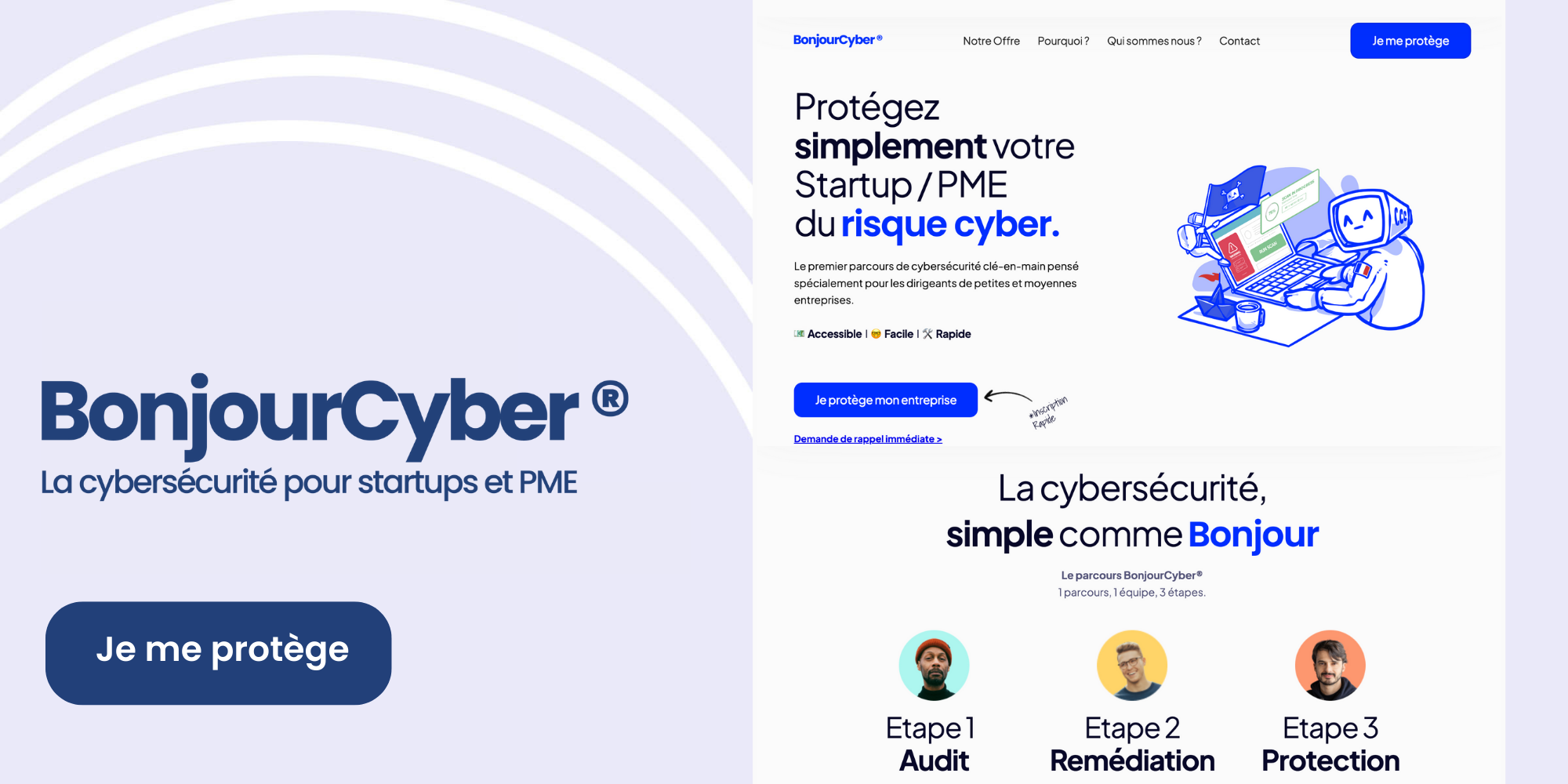
Bonjourcyber
Speciality: Ethical Hacking and Penetration Testing
Cybersecurity company based in Paris, France, specializing in penetration testing and cybersecurity audits; explicitly states expertise in ethical hacking and defense testing, serving SMEs and ETIs in France.
ISO 27001: Information Security Management Certification
Origin
ISO 27001 was developed by the International Organization for Standardization (ISO) and the International Electrotechnical Commission (IEC), and was first published in 2005. It evolved from the British Standard BS 7799-2, which was created in the late 1990s. The standard was developed in response to the growing need for organizations to systematically manage and protect sensitive information in an increasingly digital business environment. ISO 27001 has since been revised, with major updates released in 2013 and 2022 to address evolving cybersecurity threats and best practices.
Industry Value and Importance
ISO 27001 is globally recognized as the leading standard for information security management systems (ISMS) and is valued for providing a systematic, risk-based approach to protecting sensitive data. Organizations that achieve ISO 27001 certification demonstrate to clients, partners, and regulators that they have implemented comprehensive security controls and are committed to maintaining confidentiality, integrity, and availability of information. The certification is particularly important for organizations handling sensitive data, as it helps meet regulatory compliance requirements, reduces security incidents, builds customer trust, and often provides a competitive advantage in procurement processes where information security assurance is required.
NIS2 Directive Overview
Origin and Background
The NIS2 Directive (Network and Information Security Directive 2) was created by the European Union and adopted in January 2023, replacing the original NIS Directive from 2016. The European Parliament and Council developed this legislation to address the growing cybersecurity threats across member states and to create a more uniform approach to cybersecurity requirements. It was implemented because the original directive had inconsistent application across EU countries and didn't adequately cover the expanding digital landscape and supply chain vulnerabilities that emerged in recent years.
Industry Importance and Value
NIS2 is significant because it establishes mandatory cybersecurity requirements for approximately 160,000 organizations across essential and important sectors in the EU, including energy, healthcare, banking, digital infrastructure, and public administration. The directive is valued for creating harmonized cybersecurity standards across Europe, improving incident reporting mechanisms, and holding senior management directly accountable for compliance. For organizations doing business in or with the EU, NIS2 compliance has become essential—not only to avoid substantial penalties (up to €10 million or 2% of global turnover) but also to demonstrate robust cybersecurity practices to partners and customers in an increasingly interconnected global market.
DORA (Digital Operational Resilience Act)
DORA is a regulatory framework created by the European Union that entered into force in January 2023, with full application required by January 2025. Developed by the European Commission, the European Parliament, and the Council of the European Union, DORA was established to strengthen the digital operational resilience of financial entities across the EU. The regulation emerged from growing concerns about cyber threats, ICT disruptions, and third-party dependencies that could destabilize the financial sector, particularly following increased digitalization and cloud adoption in financial services.
DORA is highly valued in the penetration testing and cybersecurity industry because it mandates comprehensive testing requirements for financial institutions, including advanced threat-led penetration testing (TLPT) for critical entities. Penetration testing companies reference DORA compliance as it creates significant demand for their services—financial organizations must conduct regular security testing, vulnerability assessments, and sophisticated red team exercises to meet regulatory obligations. For cybersecurity firms, demonstrating knowledge of DORA requirements and offering DORA-aligned testing services has become a competitive differentiator, as it shows they understand the specific regulatory landscape their financial sector clients must navigate and can deliver testing programs that meet these stringent EU standards.
- ADD
- Agriconomie
- OnGroup